I’ve always wanted to volunteer helping out with the Dog community. I’ve always had a heart for senior dogs and dogs that do not have homes. I have always been a fighter for the underlings of society and always wanted to help out but did not know how. I assumed to foster a dog you must be rich. That’s not true. I feel like to foster a dog you must have a heart for dogs, you must have time, and you must have a little bit of understanding about dogs. Although you can learn a lot as you go. You must be committed to love, support, and educate yourself on dogs. Pretty much that’s all you need. I am going to be honest and say really and truly fostering is not 100% free. There’s always charges or things that you do not consider. Also, you have to consider how far into the foster game you want to invest.
I’m going to tell you the truth. Fostering is a lovely thing to do and I love it. It is a wonderful way to learn about dog breeds, expand your knowledge about dogs, and just spend time with dogs. I’ve learned you have to know what you want and what your limits are. That is super important. Another thing is if you have existing dogs in the home, you have to make sure the situation is good for all of the dogs-not just the fosters-but also, your personal dogs because they need to come first. Sometimes the people in charge will try to do whatever they can to help the dogs even if it’s not the best thing for the fosters. I’m sure they do not do this on purpose, but when you’re in a high stress situation sometimes you forget details or sometimes you do not look at how the whole thing is going to affect someone else. So you need to know from day one how much you can spend and if you can spend anything. I’m not saying that you have to be able to spend money on things if you foster because you don’t. But you need to make that known upfront because some places will push you to provide the food for your fosters and if you are not willing to do that, you need to make sure that’s known upfront and find a place that does provide food. You also need to make sure you have the food at the time you have the dog. You need to make sure you know exactly where you go to get the food, how you will obtain the food, and make sure it’s present. You also need to make sure if it’s a situation where you buy the food and they pay you back that they will tell you how they’re going to do this and how long it’s going to take to get your money back. Fortunately, all of the places that I have fostered for have provided food. So I have not really had to worry about that but there have been some situations where I had to figure out where to go to get the food. My biggest expense lately with fostering has been gas money. A lot of the places expect you to do a lot of travel. For some people that’s not a big deal but with the rising gas prices and the way things are and depending on where you live that could be hard. You need to make sure that you have a gas budget or you tell them, “Now, let’s talk about the miscellaneous”. Do you have an extra food or water bowl for the foster because you probably do not want them sharing with your existing dogs. I understand all my dogs share a water bowl and they do not mind if the fosters drink out of it, but you never know what you’re dealing with with a foster so it’s just best for them to have their own things. That is something that I pretty much just provide it on my own and will keep at my house because it wasn’t a huge deal but it was an expense. They need to provide all transportation. Some foster organizations for dogs will provide transport to different things and some do not. You just need to know what your limits are and what’s good for your family. My recent foster is a lot bigger than my existing dogs so I had to make sure I had a larger food and water bowl for her. I had the food bowl but I didn’t have a water bowl. Another thing is treats. Do you give your dogs treats? Well, the foster is going to need treats as well. If you’re giving out treats it’s going to be hard not to have some for the foster so you need to budget for extra treats. Again, not a huge thing for my budget and I didn’t mind but it’s just one of those things. I also want to talk about the investment of time you will be spending on the foster. Make sure you have some one on one time with your own dog so they do not feel left out. Example: I do not usually like for the foster dogs to sleep in my bed. That’s normally reserved for my personal dogs.
I also try to spend time just with my personal pack. I take them on outings, to the park, to obedience class, or maybe to a pet store–just to let them know they’re still my number one dogs. Of course you need to realize fosters are often not trained and have been through a lot. They might destroy things, they might make messes on the floor. It’s important to have natures miracle or carpet cleaner or things on hand to clean up any messes they may make and of course doggy-proof your home to the best of your ability. I know when you have dogs you have to account for things like this but be extra diligent when foster’s are on the prowl. Also, when fostering, have a list of things that you will not accept or pay for. Example: I have a firm rule that any dog who comes to my home must be on flea preventative.
I will not deal with a flea infestation in my home or on my dogs. So before entering my door they have to have flea preventative. That is something I will not budge on. I have not had a huge problem with this with a couple of places that I’ve fostered through but I have had to reiterate it multiple times. I’ve learned dealing with the rescue is much different than dealing with the shelter. I have fostered through both. Keep in mind, the dog might have needs that may not be fulfilled in your home.
One thing they may require of you is travel. Another thing about rescues is a lot of people run those out of their homes so it’s easier for them to call you. You can call a cell phone or you can ask them questions or they seem to be a little more personal. You also have a little more communication with them because it’s not terribly formal. So if you don’t mind travel or getting items and getting reimbursed, a rescue might be best for you. It also seems to me that when it comes to a rescue, a lot of people do things out of their own pocket just because they want to which is great but sometimes people can’t afford that. A lot of rescues are completely foster based so there’s not a building and sometimes dogs have to be scrambled. I will add if you’re going on vacation it’s important to let whoever you’re fostering through know that because if it’s a foster-based organization they’re going to have to find other accommodations for your dog.
OK, now I’m going to talk about fostering through a shelter. I have not done this a whole lot but these are the things I’ve learned so far. Usually the shelter has items on hand to give the fosters so when you’re picking up the dog you’ll get the things that you need. They seem to be a lot more understanding about not having everything you need yourself and not being able to pay for it. If they have it they’re usually willing to give it to you. The first time I picked up a dog from a shelter I was given blankets, a bowl for food and water, a leash, flea preventative, and lots of food. I was very excited that I was offered all the things that I would need to take care of him and it made the process a lot easier. They even offered me a crate. The downsides of a shelter are that you cannot communicate with them after business hours, you cannot communicate with them on holidays, and you have less hands-on involvement as far as making decisions and medical care is very limited. You might very well bring home a dog that’s not been spayed or neutered, has not had it shots, and might have other medical issues going on. Of course you’re not expected to pay for them but it can be difficult to watch a dog have issues. Twice, I brought home dogs from shelters with medical issues. One of them had actually had a veterinarian volunteer their services to take care of its medical issues but it was on a strict diet with restrictions and some of the info that the shelter had been given was incorrect. Example: they were told the dog could have marshmallows for a snack because it had severe food allergies. Marshmallows contain xylitol which is poisonous to dogs. Another dog that I brought home from the shelter to foster had severe dental issues and ended up having to get seven teeth pulled. It was very hard watching her suffer and try to eat. They gave me food from the shelter that she could not even eat. She could not chew it. So, fortunately, I was able to get a rescue to take her in and they were able to reimburse me for buying food that she could eat. I was glad about that situation. Shelters are not always clean. I worked on behalf of a rescue and went into a shelter to get some dogs that they were going to take to the rescue. The smell and the noise were overwhelming so be prepared as not all shelters are clean, good environments for dogs. Also, dog testing is very important. Make sure the Foster Dog and your dog get along OK before you bring them home. It’s important to bring your dog with you to meet the Foster to make sure everyone’s going to get along OK because you do not want anyone getting hurt. The rescue I worked for did their own dog testing and then after I worked for them a while, I did my own dog testing because I’m studying to be a canine specialist and it was just another field that I could learn from. I will say dog testing is extremely important. Sometimes the shelters do not recommend the dog testing but I recommend it every time. I also want to say no matter where you get your Foster Dog from, be careful. I would not leave them alone with your personal dogs at first. Make sure you observe them, observe them, and observe some more before you leave them alone together and I still would not recommend it. I would say crating is a must when you foster. Either crate the foster dogs or your own personal dogs just to ensure everyone safety. Also, another good practice when you bring your Foster Dog home is to put them in a crate or somewhere alone. What I normally do is put the dog in a crate or somewhere alone to decompress and I go check on them every 30 minutes or an hour. Offer them treats, talk to them, and reassure them that everything‘s going to be OK. Usually food gets to them and they start to trust me. Not all dogs are food motivated though. Also make sure you feed everyone separately. Even if your dogs eat together fine. Which mind you, a Foster Dog mixed into their feeding schedule might make things a little crazy. Some foster dogs have been starved so food is very important and they might try to take your dogs food which will lead to arguments. The shelter environment can be extremely stressful and sometimes good dogs exhibit negative behaviors when they’re in the shelter. Also your house, your dog, the ride home, and everything in between is overwhelming to them and probably they are under a lot of stress. Just give them some time to settle in before you mix them into the whole pack. Adding the foster dog into the pack makes the dynamic totally different. Sometimes they struggle with resource guarding or because of the fact that they have been starved they tend to be overzealous when it comes to food and they might try to take your dogs food which will lead to arguments. I will also say most of my Foster Dog‘s have came to me with some type of worm. The shelters are not so good about giving preventative or things like that so be careful with your own personal dogs. Of course it’s good to have them on a heartworm preventative but I know sometimes financially that’s not feasible for everyone so be careful about that issue. You might have to give your dog a dewormer when you have Foster Dog‘s. Definitely consult with your veterinarian about this practice and make sure everyone stays safe. And I would say you probably will not be eligible to foster if your dogs are not spayed or neutered but you never know what different places require I just think it’s a good practice–you don’t want any accidents. Flea preventative. I would also recommend that your dogs be on a good flea preventative because you never know where these dogs are coming from. I would also recommend that they be on a flea preventative because you don’t know what your neighbors dogs have or what your yard might have even if you keep it clean and do the best you can. I would also recommend that your dogs be on heartworm preventative. But I know that’s not always possible for everyone but you definitely need to make sure your dogs are protected against anything. Another disclaimer, I would not foster a dog for a friend or someone you don’t know. It’s best to go through an organization whether that be a rescue or a shelter or somewhere with funds and resources to help you. It’s hard to foster on your own. I took in a dog from a person I did not know that was in a bad situation and I had to scramble to find resources to provide for shots and things like that. I was able to find what I needed but then the dog ended up being aggressive and I had to return it to her. Thankfully, or otherwise I don’t know what I would’ve done. If you see any aggression in your Foster Dog do not take it. I will say that again if your Foster Dog exhibits any sort of aggression do not take it. Sometimes shelters are not exactly honest about a dog. It’s fine to say I cannot handle this dog. Even if the dog is good. Do not take on something you feel that you cannot handle or that is making you uncomfortable. When I picked up the dog from the individual that wasn’t through an organization it exhibited some aggression the first day. I picked it up and I ignored it and let it go and it got worse. These things usually do not get better and also, if you are not equipped to handle one aggressive dog do not try to take it on. Now if you’re a trainer and have some experience and want to try to take that on just make sure you know what you’re doing and you’re consulting with the agency you’re fostering through and making sure it’s the best situation for everyone. Make sure your dogs are dog friendly. Not all dogs are dog friendly and it took me years to find that out. I’ve always had dog friendly dogs. We go to the park they like other dogs a lot. So it’s not a problem in my home but not everyone has a dog friendly dog and fostering might not be the thing for you if you do not. Do not be afraid to say what you’re good at. I prefer older dogs. I do not enjoy puppies so I do not take puppies and I’ve made that clear several times that’s just not my thing and I do not feel like I would be good at it. It’s OK to say that. Everyone is different and what they can handle is different. A lot of the fun of fostering is that it’s a practice session. You can consider it a trial run on whether having a dog is right for you–all of the fun without the financial responsibility.
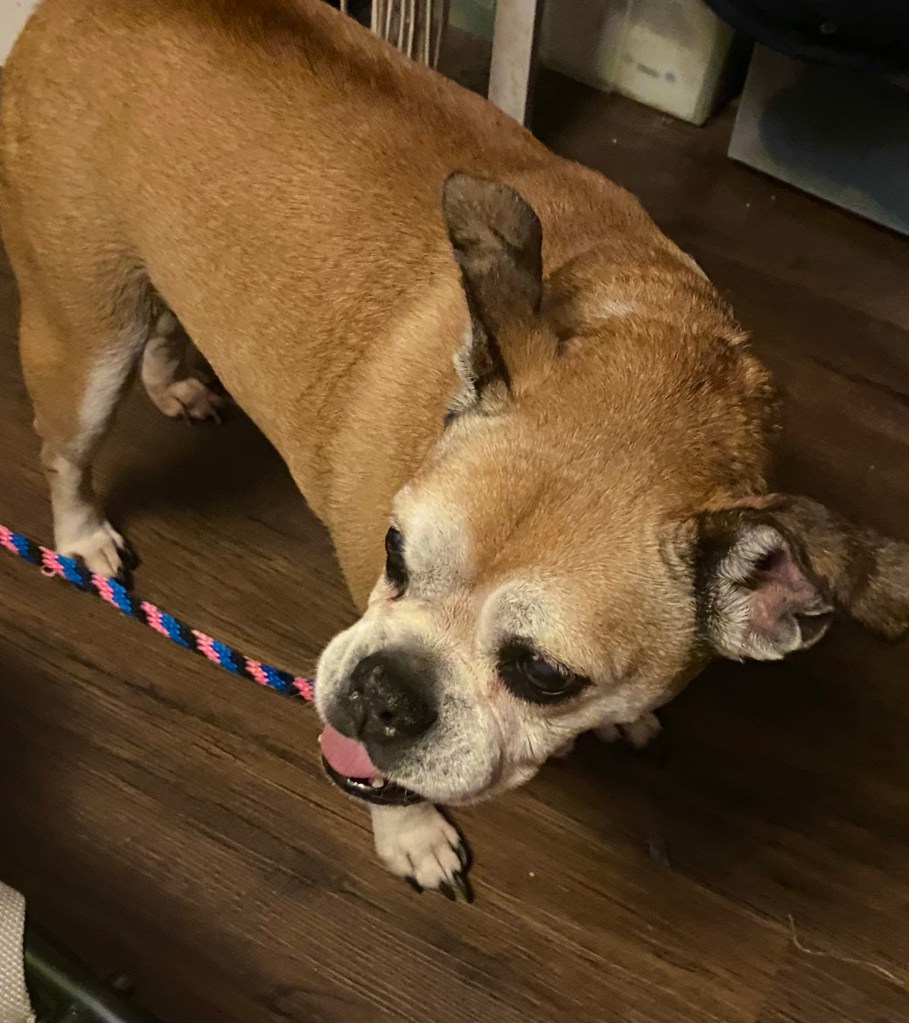
 Paws of Happiness